
See our Ducted Heating cost guide →
Ducted Heating
Australia's vetted network of licensed gas and hydronic heating installers. Get free quotes from insured, registered specialists.
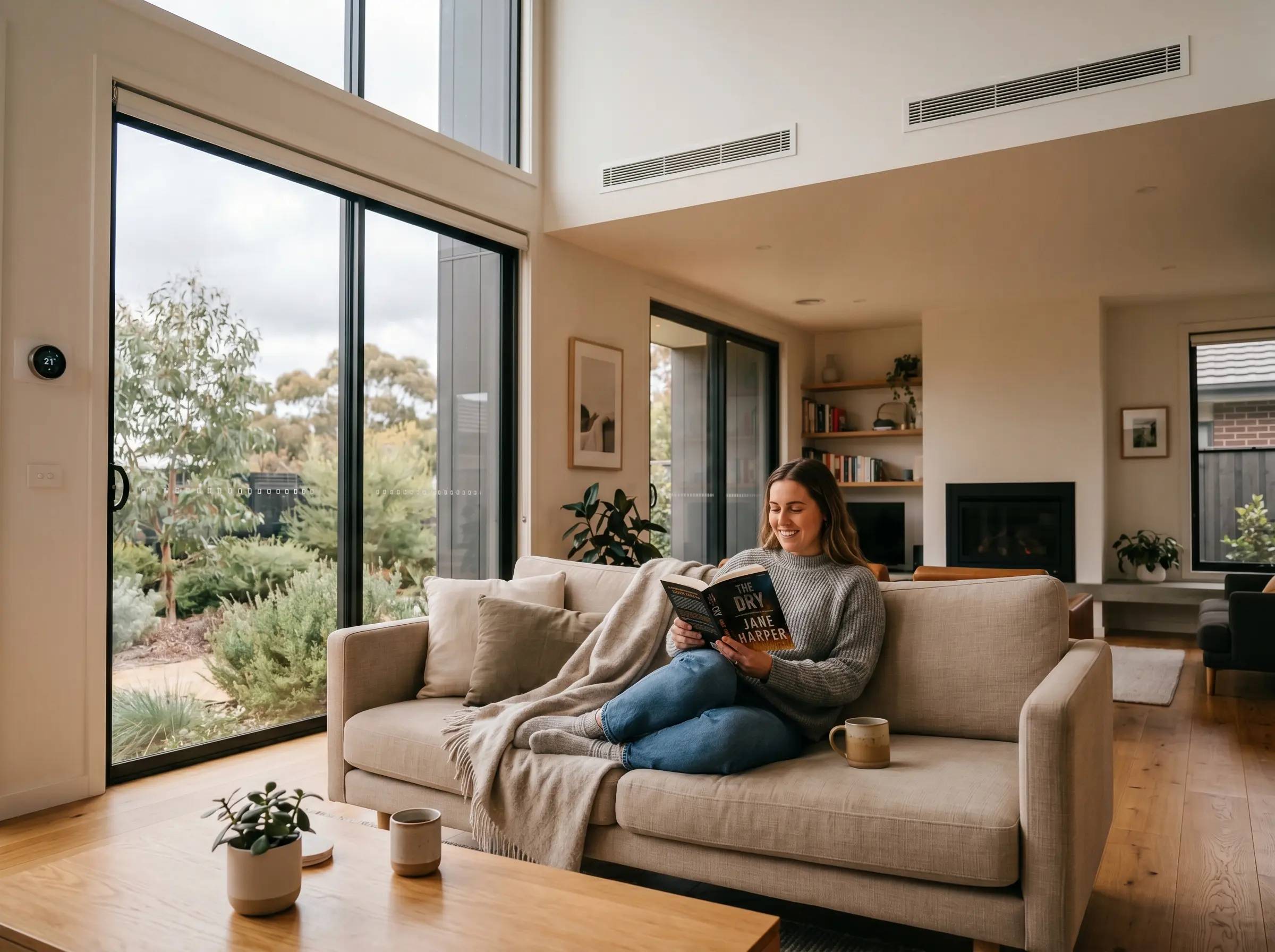
Professional Ducted Heating Installation Across Australia
Ducted gas heating remains the dominant whole-home heating solution in southern Australia, particularly across Victoria, South Australia, and Tasmania. A central gas furnace heats air and distributes it through insulated ducts to ceiling or floor outlets in every room. When correctly sized and zoned, a ducted system delivers quiet, even warmth throughout the home at a lower per-hour running cost than most alternatives. Getting the system sized, ducted, and commissioned properly is what determines whether it performs on the coldest Melbourne night or falls short.
Why use a licensed gas heating installer?
- Gas work must be performed by a licensed gasfitter — unlicensed work is illegal and voids insurance
- Correct heat load calculation ensures the unit is not oversized (short cycling) or undersized (never reaches setpoint)
- Duct design and outlet positioning balanced for even airflow across all zones
- Flue installation must comply with AS/NZS 5601.1 — improper fluing is a carbon monoxide risk
- Gas meter capacity checked before install — undersized meters cause pressure drops that affect the whole home
Gas ducted vs hydronic — key differences
Gas ducted heating blows warm air through ceiling or floor ducts — fast to heat a space, lower installation cost, and compatible with most existing duct layouts. Hydronic heating circulates hot water through underfloor pipes or panel radiators — gentler, more even warmth and better for allergy sufferers (no airborne dust circulation), but higher upfront cost and a longer installation. Your installer will assess your slab type, floor coverings, and budget before recommending a system.
Frequently asked questions
A new gas ducted heating system fully installed typically costs between $3,500 and $9,000 for a standard single-storey home, depending on system capacity (kW), number of outlets, brand, and whether new gas line work is required. Replacement installs (existing ducts reused) sit at the lower end. Larger homes, zone controllers, or difficult roof space access push costs higher. Always get two or three quotes with the same outlet count and zone configuration specified.
System capacity is calculated from a heat load assessment — floor area, ceiling height, insulation, glazing, and climate zone all affect the result. A rough rule is 0.06–0.10 kW per square metre for a well-insulated Victorian home, but this varies significantly. An undersized unit runs continuously on the coldest days; an oversized unit short-cycles and wears out faster. Insist your installer provides a calculation, not just a floor area rule of thumb.
Yes, but it requires adding a separate refrigerative cooling unit (evaporative or refrigerated) that shares the existing ductwork. The duct sizing, layout, and grille types need to be compatible. If you think you will want cooling within a few years, tell your heating installer upfront — they can size ducts and select grilles that work for both, which is cheaper than retrofitting.
Brivis, Bonaire, Rinnai, Vulcan, and Evaporative brands such as Braemar are the most widely installed gas ducted heating brands in Australia. All have strong local service networks. Brand matters less than correct sizing and installation quality. Ask your installer which brands they are authorised to service — you want a tradesperson who can work on your unit for the next 15 years, not just the initial install.